Understanding Defensible Space: Essential for Fire Safety
- begleydan
- Apr 29
- 4 min read
Wildfires can devastate communities, destroy homes, and threaten lives. As climate change continues to increase the frequency and intensity of these fires, understanding how to create a defensible space around your property becomes crucial. Defensible space is a buffer zone between a structure and the wildland area that can help slow or stop the spread of fire. This blog post will explore the concept of defensible space, its importance, and practical steps you can take to protect your home and loved ones.

What is Defensible Space?
Defensible space refers to the area surrounding a building that has been modified to reduce the risk of fire damage. This space is designed to create a barrier between your home and potential wildfire threats. The primary goal is to provide firefighters with a safe area to defend your property and to slow the spread of fire.
The Importance of Defensible Space
Creating a defensible space is not just a precaution; it is a necessity for anyone living in or near wildfire-prone areas. Here are several reasons why defensible space is essential:
Protection of Property: A well-maintained defensible space can significantly reduce the risk of your home catching fire.
Safety for Firefighters: Firefighters need safe zones to operate effectively. A defensible space provides them with the necessary room to defend your property.
Insurance Benefits: Many insurance companies offer discounts for homes with defensible space, recognizing the reduced risk of fire damage.
Community Safety: By creating defensible space, you contribute to the overall safety of your neighborhood, helping to prevent the spread of fire to other homes.
Components of Defensible Space
Defensible space is typically divided into three zones, each with specific guidelines for vegetation management and landscaping.
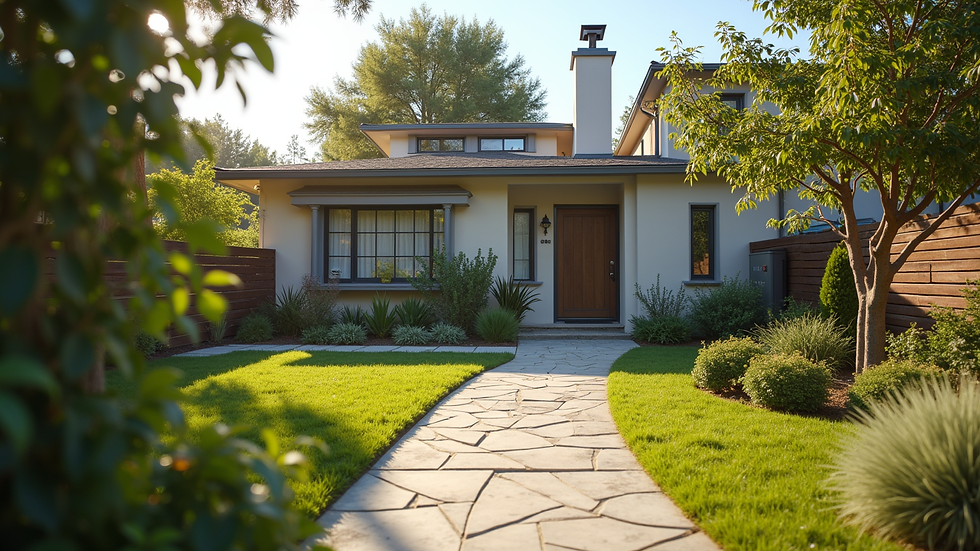
Zone 1: Immediate Zone (0-5 feet)
This zone is closest to your home and requires the most attention. Here are some key practices:
Remove Flammable Materials: Keep this area clear of any combustible materials, such as firewood, propane tanks, and lawn furniture.
Use Non-Combustible Landscaping: Opt for hardscaping materials like gravel, stone, or concrete. If you choose plants, select fire-resistant species.
Maintain a Clean Area: Regularly remove debris, such as leaves and twigs, which can ignite easily.
Zone 2: Intermediate Zone (5-30 feet)
This zone acts as a transition area and should be managed to reduce fire intensity. Consider the following:
Trim Vegetation: Keep trees and shrubs well-trimmed to prevent fire from climbing into the canopy. Maintain a distance of at least 10 feet between tree branches and your home.
Create Defensible Space: Space out plants to reduce the likelihood of fire spreading. Avoid planting dense vegetation that can trap heat.
Use Mulch Wisely: If you use mulch, choose non-flammable options like gravel or stones. If using organic mulch, keep it at least 5 feet away from your home.
Zone 3: Extended Zone (30-100 feet)
This zone extends further from your home and focuses on reducing fire intensity. Here are some strategies:
Thin Out Vegetation: Remove excess trees and shrubs to create a more open area. This helps slow down the fire's spread.
Create Firebreaks: Consider creating firebreaks, which are areas devoid of vegetation that can help stop the fire from advancing.
Maintain a Healthy Landscape: Regularly check for dead or dying trees and remove them to prevent them from becoming fuel for a fire.
Practical Steps to Create Defensible Space
Creating defensible space requires planning and effort. Here are some practical steps you can take:
Assess Your Property: Walk around your property and identify areas that need improvement. Look for flammable materials and dense vegetation.
Develop a Landscaping Plan: Create a landscaping plan that incorporates fire-resistant plants and non-combustible materials.
Regular Maintenance: Schedule regular maintenance to keep your defensible space in check. This includes trimming plants, removing debris, and checking for dead vegetation.
Educate Your Family: Ensure that everyone in your household understands the importance of defensible space and knows how to maintain it.
Engage with Neighbors: Work with your neighbors to create a community-wide defensible space. This collective effort can enhance safety for everyone.
Case Studies: Successful Defensible Space Implementation
Case Study 1: The Community of Paradise, California
In 2018, the Camp Fire devastated the town of Paradise, California. Many homes that had implemented defensible space measures survived the fire, while others that did not were destroyed. This tragic event highlighted the importance of creating defensible space and the need for community awareness.
Case Study 2: Colorado Wildfires
In Colorado, several communities have adopted defensible space initiatives. Homeowners who participated in these programs reported a significant reduction in fire damage during wildfires. The state has also provided resources and funding to help residents create defensible spaces.
Conclusion
Understanding and implementing defensible space is essential for fire safety, especially in areas prone to wildfires. By creating a buffer zone around your home, you not only protect your property but also contribute to the safety of your community. Take the time to assess your property, develop a landscaping plan, and engage with your neighbors. Together, we can create safer environments and reduce the risk of devastating wildfires.
As you consider your own defensible space, remember that preparation is key. Start today by taking small steps to protect your home and loved ones from the threat of fire.

Comments